
South America, one of the fastest-growing regions in the global infant and toddler industry, is attracting increasing attention from international brands. According to Statista, the South American Diaper Bag market surpassed $18 billion in 2024 and is expected to maintain a 6.8% annual growth rate in 2025. This growth is driven by two key factors: the region’s rising birth rate and the growing purchasing power of the middle class.
Birth Rate as a Demand Driver:
The average birth rate in South America is approximately 16‰ (World Bank 2023 data), far exceeding the global average of around 10‰. For example, Brazil recorded 2.4 million newborns in 2023, while countries like Colombia and Argentina maintain birth rates above 14‰. The demand for infant products is directly tied to the number of newborns, making diaper bags—a must-have item for parents—strongly rooted in the market.
Accelerated Brand Expansion:
International brands like Huggies and Pampers are rapidly penetrating the South American market through localized partnerships, while local brands such as Babidu (Brazil) and Mamá & Bebé (Argentina) are gaining traction via e-commerce platforms. This competitive landscape creates more collaboration opportunities for B2B suppliers, particularly manufacturers with cost-effectiveness and differentiated design capabilities.
I.Overview of the South American Diaper Bag Market
1. Core Consumer Markets and Scale
The South American diaper bag market is concentrated in Brazil, Argentina, Colombia, and Mexico. As the region’s largest economy, Brazil accounts for over 40% of the market share (Euromonitor 2024 data). In 2024, the market reached $2.8 billion, with online sales surpassing 35%, nearly doubling since 2020.
2. Sales Channels and Growth Trends
- Online Channel Boom: Amazon Brazil, Mercado Livre (the largest e-commerce platform in Latin America), and local social commerce platforms (e.g., Instagram Shop) have become primary sales channels. In 2024, the online penetration rate for infant products in South America reached 28%, with projections to exceed 35% by 2025.
- Offline Channels Remain Dominant: Specialty stores, department stores, and chain supermarkets (e.g., C&A in Brazil, Jumbo in Argentina) remain crucial distribution channels, especially in second- and third-tier cities.
3. Consumer Demographics
- Rising Middle Class: Over 45% of South Americans belong to the middle class (World Bank data), with young parents willing to pay for quality and functionality.
- Age Segmentation: Women aged 25–35 are the primary consumers, prioritizing design and practicality; those over 35 focus more on durability and cost-effectiveness.
4. Competitive Landscape
The market features a coexistence of international and local brands:
- International Brands (e.g., Diaper Genie, Tommee Tippee) emphasize premium design and technology.
- Local Brands leverage price advantages and localized marketing strategies.
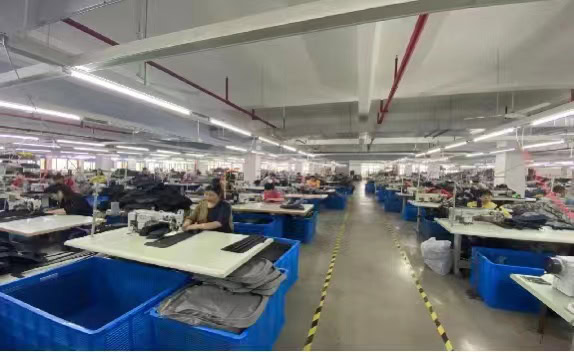
- Chinese Suppliers are favored by many South American B2B clients due to their cost-effectiveness and flexible customization capabilities.
II. Consumer Preferences in South America
South American consumers prioritize functionality, practicality, and cultural adaptability when purchasing diaper bags. According to Euromonitor research, the following keywords represent the core demands of South American buyers:
| Functional Needs | Style Preferences | Packaging & Additional Value |
|---|---|---|
| – Multi-layered design | – Minimalist and stylish styles | – Eco-friendly material certification |
| – Waterproof and leak-proof materials | – Bright colors (e.g., pink/blue) | – Reusable packaging |
| – Lightweight and portable | – Adjustable straps and back carriers | – Compliance with local safety standards |
| – Hidden zipper design | – Local cultural motifs | – Included parenting guide handbook |
| – Removable inner lining for cleaning | – Neutral colors (gender-neutral trend) | – Local language instructions |


Special Note: South American consumers are increasingly focused on eco-friendliness and sustainability. It is recommended to prioritize products made from biodegradable materials or reusable designs.
III. Future Trend Predictions for South American Diaper Bag Market (2025–2027)
With the continued growth of the South American infant and toddler market, the design, functionality, and consumer trends of diaper bags will be influenced by multiple factors. Below are in-depth predictions for the popularity of South American diaper bag market trend from 2025 to 2027, offering strategic insights for B2B clients.
1. Sustainable Materials and Eco-Design as Core Competitiveness
Predictive Basis:
- Policy Push: Countries like Brazil and Argentina have introduced stricter environmental regulations, requiring infant products to reduce plastic use and adopt recyclable materials. For example, Brazil will mandate that 30% of infant products use biodegradable materials by 2025.
- Rising Consumer Awareness: South American middle-class consumers are increasingly concerned about environmental issues. A survey found that 72% of parents are willing to pay 10–15% more for “eco-certified” products (Euromonitor 2024).
Procurement Recommendations:
- Prioritize recycled polyester, organic cotton, or bamboo fiber materials.
- Emphasize removable designs and reusable packaging to reduce the product’s carbon footprint.
- Obtain EU REACH or Brazilian INMETRO eco-certifications to enhance compliance and market trust.
2. Surge in Demand for Smart Features and Tech Integration
Predictive Basis:
- Technology Penetration: South America’s smartphone penetration rate has reached 85% (Statista 2024), with young parents favoring smart features in diaper bags.
- Diversified Parenting Scenarios: With the rise of dual-income households, diaper bags must meet needs like portable charging and temperature-controlled storage (e.g., insulated bottle bags).
Procurement Recommendations:
- Develop USB-integrated, waterproof, and dustproof multi-functional diaper bags.
- Explore IoT technology, such as baby health monitoring modules (e.g., temperature-sensing patches).
- Partner with local tech companies to create customized smart accessories (e.g., anti-lost trackers compatible with smartphones).
3. Cultural Fusion Design and Local Customization as Differentiation Keys
Predictive Basis:
- Enhanced Cultural Identity: South American consumers prefer products incorporating local elements, such as tropical flower patterns in Brazil or Andes mountain motifs in Chile.
- Gender-Neutral Trend: More parents are choosing neutral color schemes (e.g., gray-blue, beige) and gender-neutral designs to adapt to diverse parenting needs.
Procurement Recommendations:
- Provide multilingual packaging and instructions (e.g., Spanish, Portuguese).
- Collaborate with South American designers to create regional limited editions, such as Andes Culture Series in Colombia.
- Collect user feedback via social media platforms (e.g., Instagram, TikTok) to rapidly iterate designs.
4. E-commerce and Social Marketing Driving Channel Transformation
Predictive Basis:
- Continued Growth of Online Penetration: By 2026, the online sales share of infant products in South America is expected to exceed 40% (Statista forecast), with live-streaming sales and social commerce (e.g., Mercado Livre, Instagram Shop) as major growth drivers.
- Expanded KOL Influence: Local South American parenting influencers (e.g., @MamãeBabá in Brazil) significantly impact consumer decisions, with product conversion rates up to three times higher than traditional ads.
Procurement Recommendations:
- Partner with local e-commerce platforms to optimize search keywords (e.g., “diaper bag brasileiro,” “mamá bag eco-friendly”).
- Invest in short video marketing to showcase the practical value of diaper bags in real-life parenting scenarios.
- Establish a localized customer service team to provide multilingual after-sales support and enhance customer loyalty.
5. Upgraded Health and Safety Standards and Certification Barriers
Predictive Basis:
- Stricter Regulations: Many South American countries are updating infant product safety standards. For instance, Brazil’s INMETRO certification will include heavy metal testing and child safety assessments.
- Consumer Trust Demand: 78% of South American parents state they are more likely to purchase products with authoritative certifications (Euromonitor 2024).
Procurement Recommendations:
- Preemptively pursue EU REACH, EN71, and other international certifications to reduce export risks.
- Clearly label safety certification marks on product packaging to build consumer trust.
- Collaborate with local testing institutions in South America to shorten certification cycles and reduce costs.
Seize South American Diaper Bag Market Trend and Capture Market Opportunities
The South American diaper bag market is transitioning from basic functional demands to personalized, smart, and sustainable solutions. B2B clients must closely monitor core trends such as eco-materials, smart technology, and cultural fusion, while enhancing competitiveness through localized operations and compliance building. In the next three years, those who can accurately align with South American consumer needs will dominate this promising market.
Data Sources: Statista, Euromonitor, World Bank, Mercado Livre 2024 Market Reports.

If you are interested in the mommy bag market in other regions or want to learn about the trends in the international maternal and infant market, you can read this article《Global Maternal and Child Care Market Trends 2024–2025》.