
Choosing the right fabric for your mommy bag line is crucial. As a manufacturer serving mother & baby product brands, wholesalers, and retailers, you know that “safe, durable, and trend-conscious” are non-negotiable criteria. In recent years, RPET fabric has emerged as a popular choice in the baby gear sector, celebrated for its eco-friendly credentials and practical performance. But does it truly meet the rigorous demands for “safety” and “durability” that discerning parents expect?
This comprehensive guide will break down the reliability of RPET fabric for mommy bags from three key angles: fundamental fabric knowledge, answers to your most pressing application questions, and a clear understanding of potential risks.

I. Understanding RPET Fabric: From "Cola Bottles" to "Mommy Bags"
1. What Exactly is RPET Fabric?
RPET stands for Recycled Polyethylene Terephthalate. Simply put, it’s a type of polyester fabric made from recycled PET (Polyethylene Terephthalate) plastic bottles – think discarded water bottles and soda containers. Through a process of collection, cleaning, shredding, melting, and spinning, these plastic bottles are transformed into high-quality fibers that can be woven into fabric. Because of its origins, RPET is often affectionately referred to as “cola bottle fabric” or “bottle-to-bag” material.
Essentially, RPET fabric represents the “second life” for plastic waste. Producing one ton of RPET fabric can utilize approximately 30,000 to 60,000 standard 500ml plastic bottles, making it a prime example of a circular economy product.
2. RPET Fabric: Pros and Cons at a Glance
Core Advantages:
- Environmental Responsibility: Significantly reduces reliance on virgin petroleum (required for virgin PET), combats plastic pollution, and aligns with global “carbon neutrality” goals. This resonates strongly, especially in environmentally conscious markets like Europe, North America, and Japan.
- Safety Assurance: When processed correctly and certified, RPET is safe for contact with skin, including babies. It’s free from harmful substances like heavy metals and phthalates.
- Lightweight Design: Typically weighing between 150-300g/m², RPET fabric is about 20-30% lighter than comparable weight Oxford fabrics. This translates to lighter, more comfortable mommy bags for busy parents.
- Easy Maintenance: Its smooth surface offers good stain resistance, allowing for quick wipe-downs. It generally holds its shape well after washing, resisting deformation.
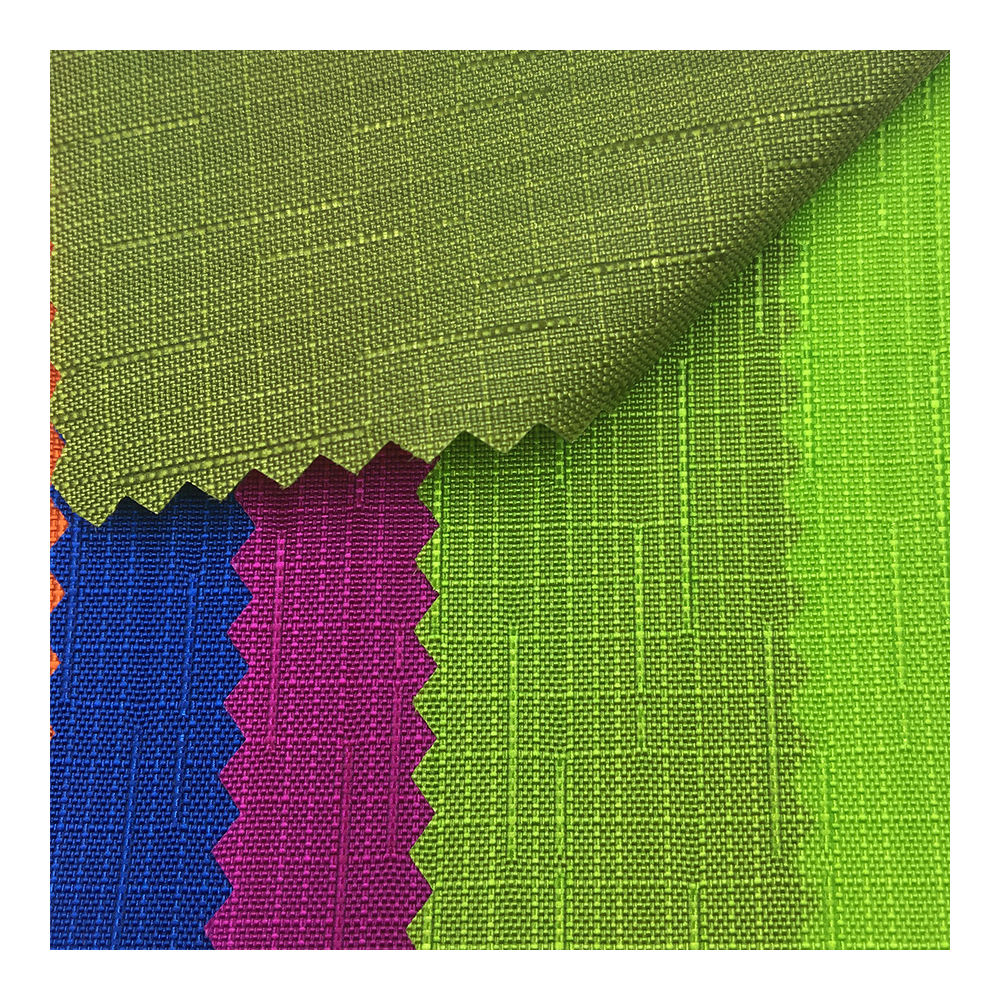
Potential Limitations:
- Lower Tear Strength: Compared to virgin polyester or nylon, RPET fibers, due to the recycling process, can be slightly less robust in terms of tear resistance. Prolonged, high-frequency stress (like carrying very heavy loads) might lead to pilling or minor fiber fraying.
- Moderate Heat Resistance: While suitable for cool or warm water washing (up to ~60°C / 140°F), RPET fabrics may shrink or deform if subjected to high heat, such as prolonged ironing above 80°C / 176°F.
- Slightly Higher Cost: The complex recycling, purification, and certification processes mean RPET fabric typically costs 15-30% more than conventional virgin polyester fabrics.

3. RPET vs. Recycled Polyester: What's the Difference?
Recycled Polyester is the broader category, encompassing polyester made from any post-consumer or post-industrial polyester waste. RPET, however, specifically refers to recycled polyester derived exclusively from PET bottles. Because the bottle recycling infrastructure is more established and standardized, RPET often carries a clearer and more marketable “plastic bottle recycling” story.
4. The RPET Production Journey: From "Bottle" to "Bag"
The transformation involves several key steps:
- Collection & Sorting: Used PET bottles are gathered, sorted by color, and contaminants (like labels and caps) are removed.
- Cleaning & Shredding: Bottles are thoroughly washed and then shredded into small flakes (typically 2-5mm).
- Melting & Pelletizing: The flakes are melted and extruded through a spinneret, cooled, and cut into small pellets or chips (Recycled PET chips).
- Fiber Spinning & Weaving: These chips are melted again, spun into fine fibers, and then woven or knitted into the final fabric.
- Finishing: The raw fabric undergoes dyeing, finishing treatments (like calendering for smoothness or coating for water resistance), and quality checks.

II. Addressing Your Top 10 RPET Mommy Bag Concerns
For brands and buyers, the ultimate test is how RPET performs in a mommy bag, directly impacting end-customer satisfaction. Let’s tackle your most critical questions:
Q1: Is an RPET Mommy Bag Waterproof?
Answer: Basic water resistance is standard; true waterproofing requires additional treatment.
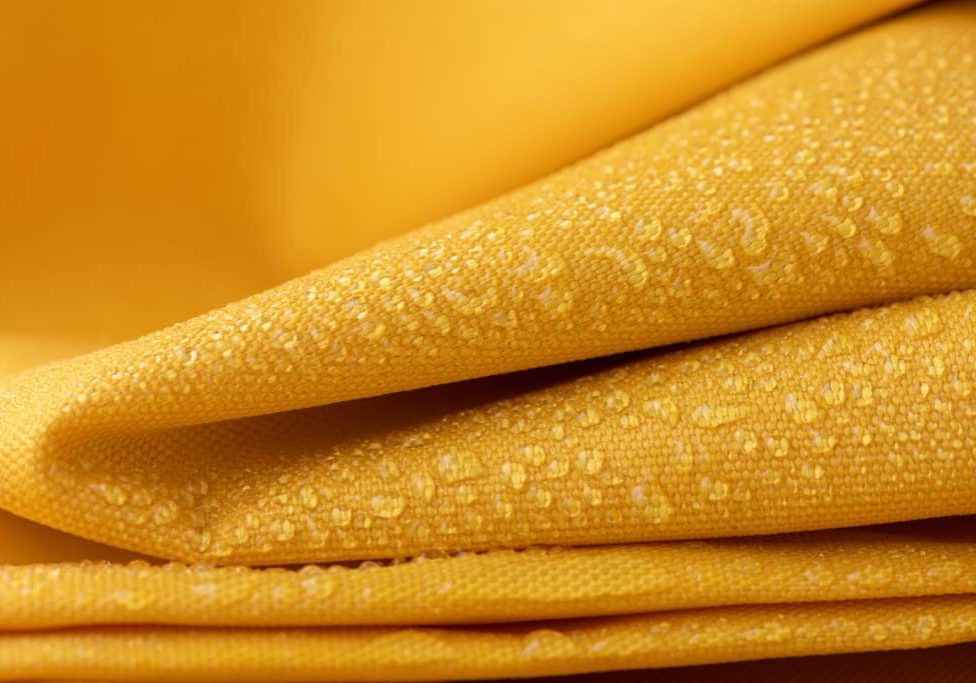
RPET fabric inherently possesses some water-repellent properties, similar to virgin polyester. Light spills (water, juice) will typically bead up and roll off. However, for robust protection against prolonged rain or wet items (like damp washcloths), the fabric needs a water-resistant coating (e.g., PU – Polyurethane, or TPU – Thermoplastic Polyurethane). Look for RPET fabrics with these coatings, which can achieve waterproof ratings from IPX3 (splash-proof) to IPX4 (water-jet resistant).
- Tip for Buyers: Always request water-resistance test reports or check fabric specifications for coating details.
Q2: How Durable and Wear-Resistant is RPET Fabric for Mommy Bags?
Answer: Sufficiently durable for daily use; manage expectations for extreme conditions.
The wear resistance of RPET depends on the fiber’s denier (D count) and finishing. Fabrics with 300D or higher generally offer excellent abrasion resistance, often exceeding 5,000 Martindale cycles, which is more than adequate for the typical lifespan of a mommy bag.
- For High-Stress Areas: Consider designs that use thicker RPET or combine it with a more robust lining fabric, especially if the bag frequently carries heavy items like multiple bottles or toys.
- Longevity Tip: Advise end-users to avoid prolonged friction against sharp objects (keys, zippers).

Q4: Does RPET Fabric Have Toxicity or Odors?
Answer: Quality RPET is non-toxic; odors are manageable and indicate processing quality.
Concerns about toxicity or odor often stem from improper recycling processes. If PET bottles aren’t thoroughly cleaned (residual liquids, oils) or if low-quality additives are used during regeneration, odors can persist. However, reputable manufacturers implement strict protocols:
Rigorous Cleaning: High-temperature (often >120°C / 248°F) washing and sterilization.
Purification: Melting and filtering processes remove impurities.
Odor Control: Techniques like activated carbon treatment can absorb residual volatile compounds.
Testing: A sealed sample of fabric should have minimal to no pungent odor. A slight textile smell (like new clothes) is normal; persistent chemical or plastic smells indicate a potential quality issue. Ventilating the product usually dissipates minor odors.
Q5: Is RPET Fabric Easy to Clean, and How Should It Be Washed?
Answer: Yes, it’s generally easy to clean and maintain.
RPET’s smooth surface resists stains well.
- Routine Cleaning: Wipe spills immediately with a damp cloth, using mild soap if needed. Dry with a clean cloth.
- Tougher Stains: Use a baby-safe stain remover sparingly on the spot, let it sit briefly, then gently rub and wipe clean.
- Overall Washing: Hand washing in cool or lukewarm water (≤40°C / 104°F) with a mild detergent is recommended. Machine washing on a “delicate” or “gentle” cycle is also possible, but avoid overcrowding the machine.
- Important: Do not use bleach, and avoid high-heat drying or prolonged direct sunlight, which can degrade the fibers and coatings over time.
Q6: Is RPET Fabric Heavy or Lightweight?
Answer: It’s significantly lighter than traditional alternatives like Oxford fabric.
For a standard mommy bag size (approx. 30cm x 20cm x 15cm), a 150D RPET fabric might weigh around 120-150g, whereas a comparable 300D Oxford fabric could weigh 180-220g. This weight advantage is a major selling point, as mothers often carry heavy bags while juggling babies.
Q7: Can RPET Fabric Be Printed On? How is the Digital Printing Quality?
Answer: RPET is highly printable, with digital printing offering excellent results.
RPET fabric readily accepts various printing techniques:
Screen Printing: Suitable for large, solid color graphics; cost-effective for simpler designs.
Digital Printing (Direct-to-Fabric): Ideal for intricate patterns, gradients, and detailed artwork. It offers superior color vibrancy and detail accuracy. Crucially, digital printing often results in a softer feel on the fabric surface as there’s no heavy ink build-up.
Ink Safety: Ensure the printing inks used are certified safe, such as OEKO-TEX certified inks (e.g., from reputable brands like Huntsman or DuPont), to guarantee no harmful chemical residues that could irritate a baby’s skin.
Q8: RPET vs. Oxford Fabric / Nylon for Mommy Bags: Which is Better?
Answer: RPET offers a unique blend of eco-friendliness, lightweight design, and adequate performance, making it ideal for brands targeting conscious consumers.
| Feature | RPET Fabric | Oxford Fabric (Virgin Polyester) | Nylon Fabric |
|---|---|---|---|
| Environmental | ★★★★☆ (Recycled source, circular economy) | ★★☆☆☆ (Virgin material, petroleum-based) | ★★☆☆☆ (Virgin material, petroleum-based) |
| Weight | ★★★★☆ (Lightweight) | ★★☆☆☆ (Heavier) | ★★★☆☆ (Moderate) |
| Tear Strength | ★★★☆☆ (Good, but less than Nylon/Oxford) | ★★★★☆ (Strong) | ★★★★☆ (Very Strong) |
| Waterproof | ★★★☆☆ (Needs coating for full waterproof) | ★★★★☆ (Often has PU coating standard) | ★★★★☆ (Naturally somewhat water-resistant) |
| Cost | ★★★☆☆ (Slightly higher) | ★★☆☆☆ (Lower) | ★★★☆☆ (Moderate to High) |
| Consumer Appeal | Eco-conscious, modern, sustainable | Traditional, durable, functional | High-performance, durable, often premium |
- Recommendation: If your brand emphasizes sustainability, targets Gen Z/Millennial parents, or aims for a premium eco-friendly positioning (especially in Western markets), RPET is a compelling choice. For rugged, heavy-duty applications or markets less focused on sustainability, Oxford or Nylon might still be considered.
Q9: What Do RPET Fabric Certifications Mean?
Answer: Certifications are essential trust signals for buyers and end-consumers.
OEKO-TEX Standard 100: Confirms the fabric is safe for human use, specifically tested for harmful substances relevant to baby products (e.g., limits on formaldehyde, heavy metals, certain dyes).
GRS (Global Recycled Standard): Verifies the recycled content percentage (e.g., GRS 4.0 requires at least 20% recycled material) and ensures responsible social and environmental practices throughout the supply chain.
RCS (Recycled Claim Standard): Similar to GRS but focuses solely on verifying the recycled content percentage, without the social/environmental responsibility criteria.
SGS Testing Reports: Independent third-party lab reports confirming physical properties like color fastness, abrasion resistance, tensile strength, and waterproof ratings.
Verification Tip: Always ask for certification numbers and check their validity on the issuing body’s website (e.g., Textile Exchange for GRS).
III. Navigating Potential Risks with RPET Mommy Bags
While RPET offers significant advantages, being aware of potential pitfalls is key to ensuring product quality and customer satisfaction.
1. Understanding RPET's Limitations
- Abrasion Resistance: As mentioned, RPET might pill or fray slightly under extreme, constant friction. Mitigate this through design choices (e.g., reinforced bottoms, durable linings) and by educating consumers on proper care.
- Heat Sensitivity: Avoid exposing RPET bags to extreme heat (e.g., left in a hot car on a summer day) as it can compromise the fabric’s integrity or coatings.
- Authenticity: Beware of counterfeit RPET. Some manufacturers may substitute cheaper virgin polyester. Always demand proof of origin (GRS/RCS certificates) and consider a burn test: RPET typically burns with a blue flame, produces dark smoke, and leaves brittle, black ash, whereas virgin polyester might burn more cleanly with less smoke and softer ash.
2. Common Issues and How to Prevent Them
- Color Fading: This is usually due to low-quality dyes or dyeing processes. Ensure your supplier uses reactive dyes and achieves high color fastness ratings (e.g., 4+ on a scale of 5) through proper testing. Advise consumers against prolonged direct sunlight exposure.
- Fabric Stiffness Over Time: This can occur if the fabric isn’t properly cleaned, allowing residues to build up, or if exposed to excessive heat. Regular, gentle cleaning and avoiding high temperatures help maintain flexibility.
- Lingering Odors: If the initial source material wasn’t perfectly clean or the regeneration process was flawed, odors might persist. Work with suppliers who guarantee thorough purification and de-odorizing steps.
Conclusion: RPET Mommy Bags – A Sustainable Choice for Growth
For mother & baby product brands, wholesalers, and retailers, RPET fabric represents a smart investment in both market trend alignment and consumer demand. It offers a compelling narrative of sustainability, combined with the practical performance required for everyday parenting gear.
Key Takeaways for Choosing RPET:
- Prioritize Certifications: OEKO-TEX Standard 100 and GRS are your strongest allies in ensuring safety and authenticity.
- Demand Quality Manufacturing: Partner with suppliers experienced in baby products who can demonstrate robust quality control and ethical production.
- Consider Design Integration: Strategically use RPET to highlight eco-benefits while managing potential limitations through thoughtful design and construction.
As consumer awareness of sustainability grows, brands that embrace materials like RPET will not only appeal to a conscious demographic but also position themselves as forward-thinking leaders in the mother & baby industry. RPET may not be “perfect,” but its balance of environmental benefits, safety, and practicality makes it a powerful and relevant material for the modern mommy bag market.
(Ready to explore custom RPET mommy bag solutions? Contact us today to discuss your brand’s needs and leverage the power of sustainable materials.)
As professional baby bag Manufacturer, we do not only customize mommy bags and wholesale diaper bags, but also like to share Knowledge and information about the baby bag industry. which help our clients get more information when they make a decision. just feel free to view our blogs—— Complete diaper bag guide: there are information about the diaper bag market, knowledge about diaper bag manufacturing, Ideas about diaper bag trends, and you can lean how to import diaper bags. hope we can help you exploring the diaper bag catalog. need any help, feel free to contact us for futher discussion.